Who creates money
Over 90% of our money is created as credit by banks and similar financial institutions 1 . The other 10% is created by government in the form of credit, banknotes or coins. Money created by loans is also destroyed when the loans are repaid. Much of our money is in a state of transition, being created when loans are made (e.g. mortgages arranged) and then destroyed as the loans are repaid
Why is money created?
Financial institutions make loans in the expectation of profit. They expect to be repaid with the addition of interest, or a dividend. Their aim is not to exchange goods for a different set of goods, but to exchange money for an investment that makes more money. Preference will be given to the loans that are best secured and offer the best interest. In other words, money makes more money.
Money makes more money
Our lending based monetary system needs a continually increasing supply of money because every lender expects to receive repayment plus interest. Each lender expects to receive back more than they paid out.
Three alternatives
The pressure for continually higher rates of return on loans leads to three possible outcomes. Usually there is a combination of the three alternatives below.
Exploitation
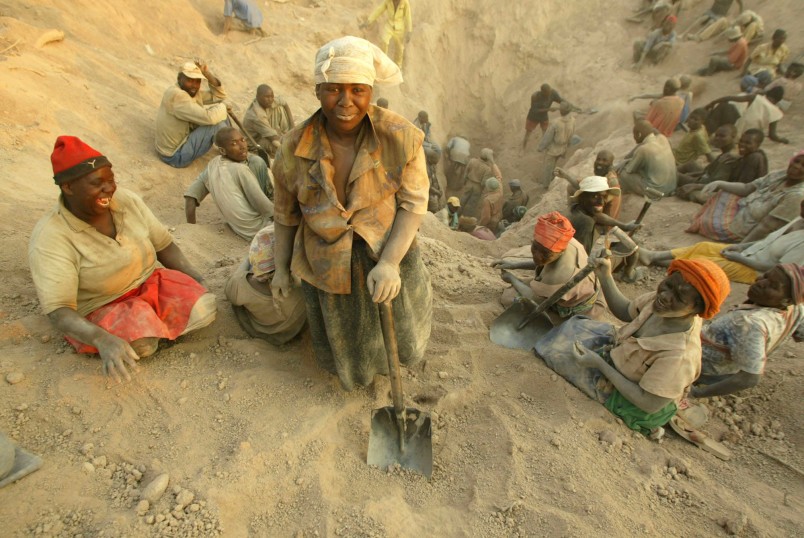
Lenders receive increasing returns if other costs are minimised. This requires incessant cost-cutting; creating an exploitative economy using the cheapest possible supplies of labour and natural resources. Often such an economy will pay less than the replacement cost -so that resources like the Amazon Forest are destroyed or people are employed at starvation wages.
Growth
An alternative is to maintain a growing economy supporting a continually growing supply of money. This is popular among economists but generally impractical and widely criticised among green economists and environmentalists. (see ‘Growth’)
Financial Crisis
The third alternative is that some lenders profit at the expense of other lenders. In other words, some loans are not repaid. The problems caused by failing banks and failing national economies are more common in our monetary system than is often realised. At any one time, there are several failing economies in the poorer countries of the world. Occasionally, this problem takes the form of a major credit failure in major economies, such as the global financial crisis of 2007/8. 2
This website leaves me wanting to know more. It is clear to me that our current economic system takes no…

Where next?
You can go to the Home page which has a plan of the site and a list of pages. You can find out more about money in Money and Economics or Adam Smith’s money. You can look at some ideas for the future in A new economic and monetary system.
References
- See Ryan-Collins, J. ,Greenham T., Werner, R. and Jackson, A. (2011) Where does money come from? (New Economics Foundation:London) and McLeay, M, Radia, A. & Thomas, R (2014) Money Creation in the Modern Economy Bank of England Quarterly Review 2014 (1)
- Reinhart, C.M. & Rogoff, K. (2009) This time is different (Princeton University Press: Princeton)
 Outgrowing Adam Smith
Leave a comment